A biohazard refers to the possibility of serious health risk from the presence of, or contact with, biological waste or pathogens such as viruses, bacteria, fungi, molds or other allergens, or blood spills and/or blood spatters from crime scenes suicides or other incidents.
It’s important that biohazardous agents are eliminated by skilled professionals such as 911 KDS. Without the proper training and protective safety gear, contact with these agents can cause serious health consequences.
If all biohazardous agents are not carefully and completely removed, long term exposure can lead to even more, ongoing, chronic health problems.
Any substance, pathogen or other material with a biological origin that has the capability of causing harm to human health
Remediation is the correction of something gone bad or become defective. Biohazard remediation is a phrase used to describe the cleaning, decontaminating and disinfecting (or correction) of any biohazardous situation.
A person trained in the proper procedures and protocols for cleaning, disinfecting, remediation, storage and removal of biohazardous waste, wherever it may be found.
Another name for biohazard remediation or forensic cleanup, crime scene cleanup is one situation in which biohazard cleaning may be necessary. It generally refers to the cleaning, disinfecting and decontaminating of any area that’s been contaminated with blood, feces, urine or other potentially dangerous biohazardous substances or materials.
The process of removing hazardous materials using safe and proper protocols and the subsequent cleaning and disinfecting in order to make an area safe again.
The cleaning process designed to remove hazardous substances to avoid or minimize potential dangerous health effects.
The primary method used for remediation of biohazardous areas. Other remediation methods include sterilization, antisepsis, ultrasonic cleaning, water purification and physical cleaning.
Something that invades another living thing, causing illness or disease. When an infectious agent “hitches a ride” on or in another living being, the living being becomes an infected host. Some of the most common infectious agents include fungi, parasites, viruses, bacteria.
The illness or disease caused by an infectious agent. Some infectious diseases are highly contagious and easily passed from one person to another.
Another term for bacteria, fungi, viruses, parasites or any microorganism capable of causing disease.
1910.1030 – Bloodborne pathogens. | Occupational Safety and Health Administration
https://www.osha.gov/laws-regs/regulations/standardnumber/1910/1910.1030
Trauma is what results from experiencing a deeply disturbing or distressing event. It usually overwhelms the ability to cope with what’s happened and often causes feelings of helplessness. Many times after a violent crime, death or suicide, friends and family members suffer trauma as a result of the devastating experience and loss.
At 911 KDS, we are always aware of the emotional state of our clients, and strive to help them restore their lives as well as their home.
This phrase is used anytime a person dies alone. Sometimes it involves suicide, other times a person passes from natural causes and the death is not discovered for several days, sometimes even weeks or months later.
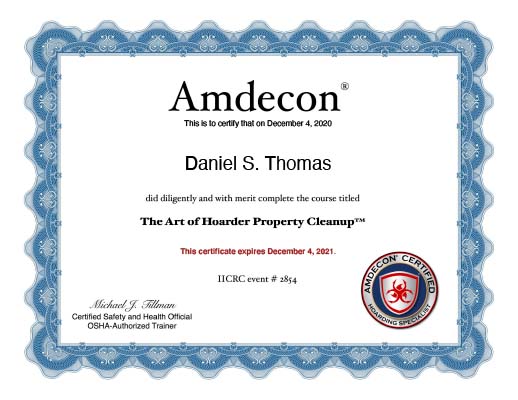
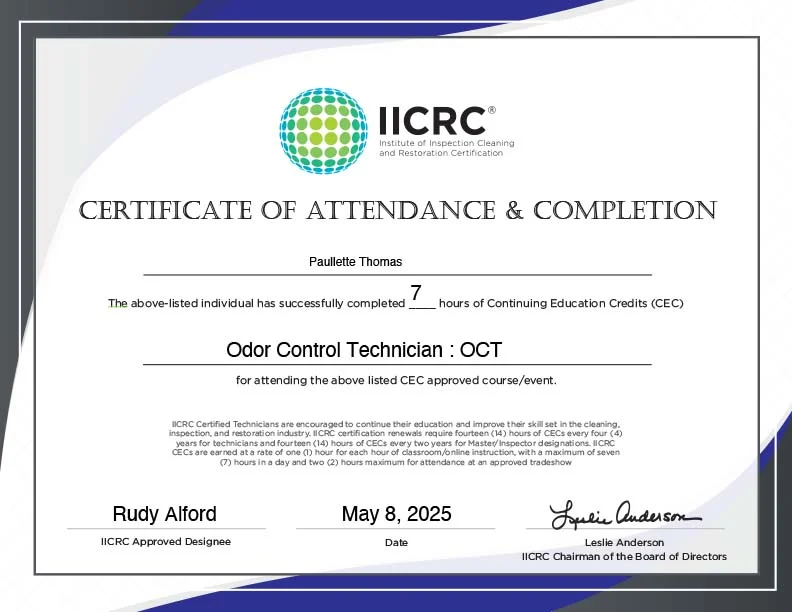
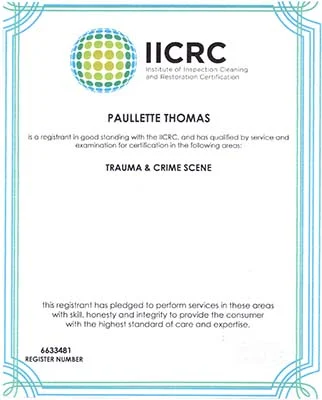
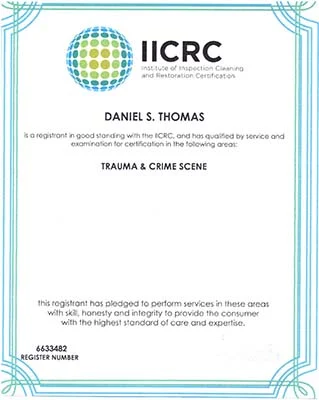
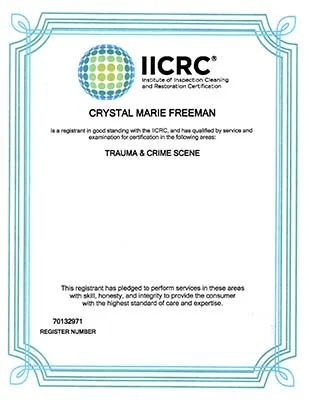
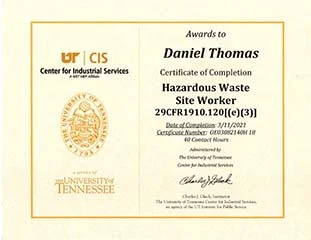
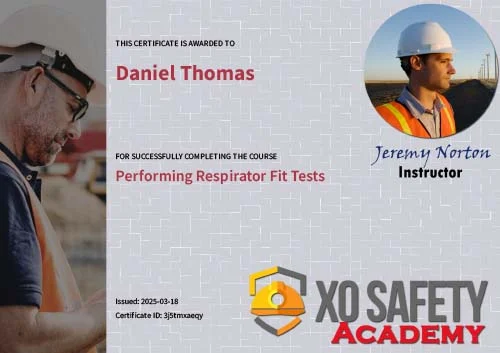
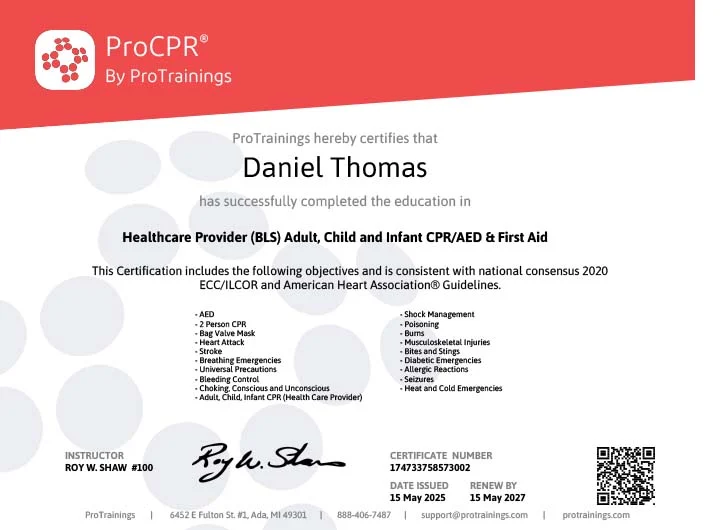
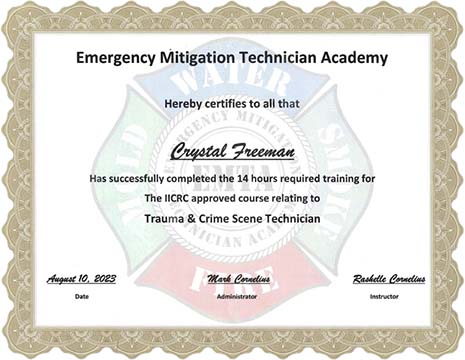
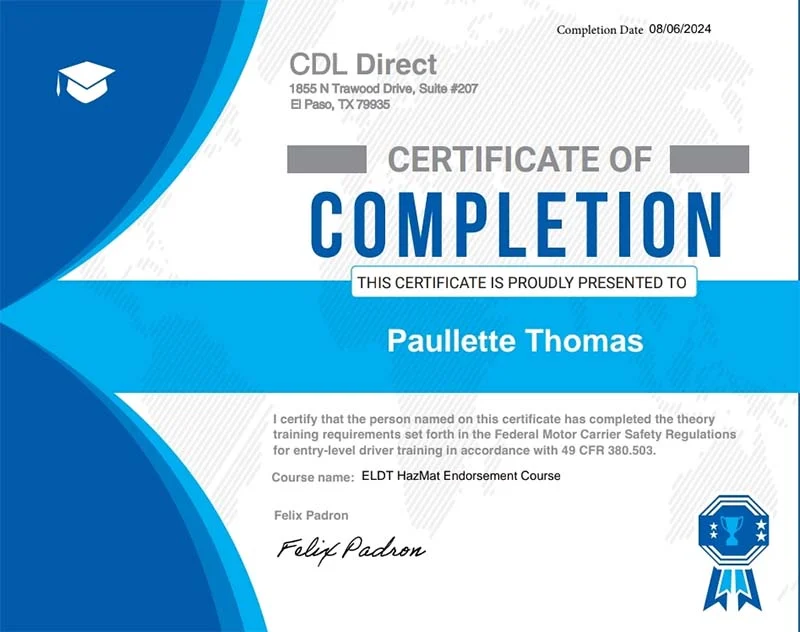
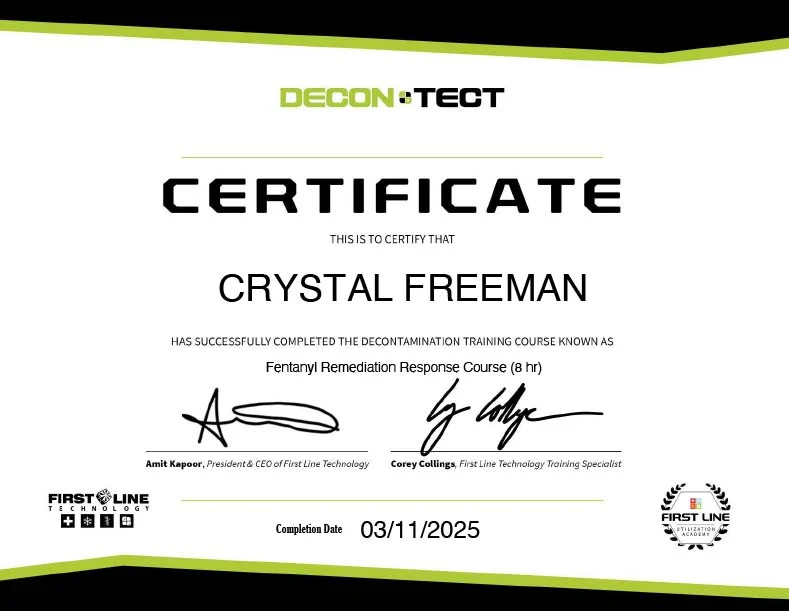
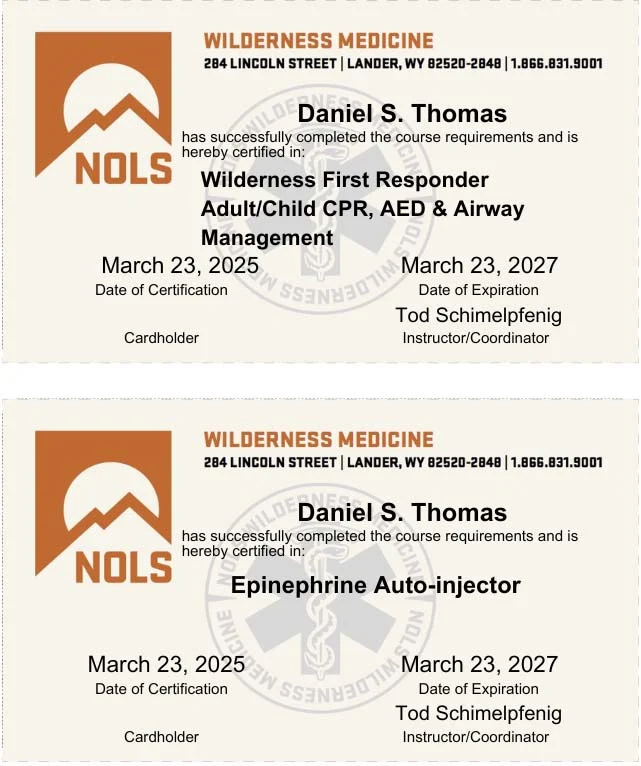
We are proud to hold certifications and affiliations that demonstrate our professionalism and dedication to safety: